2026 Audi vs. Lexus SUV Comparison
At Audi Cincinnati East
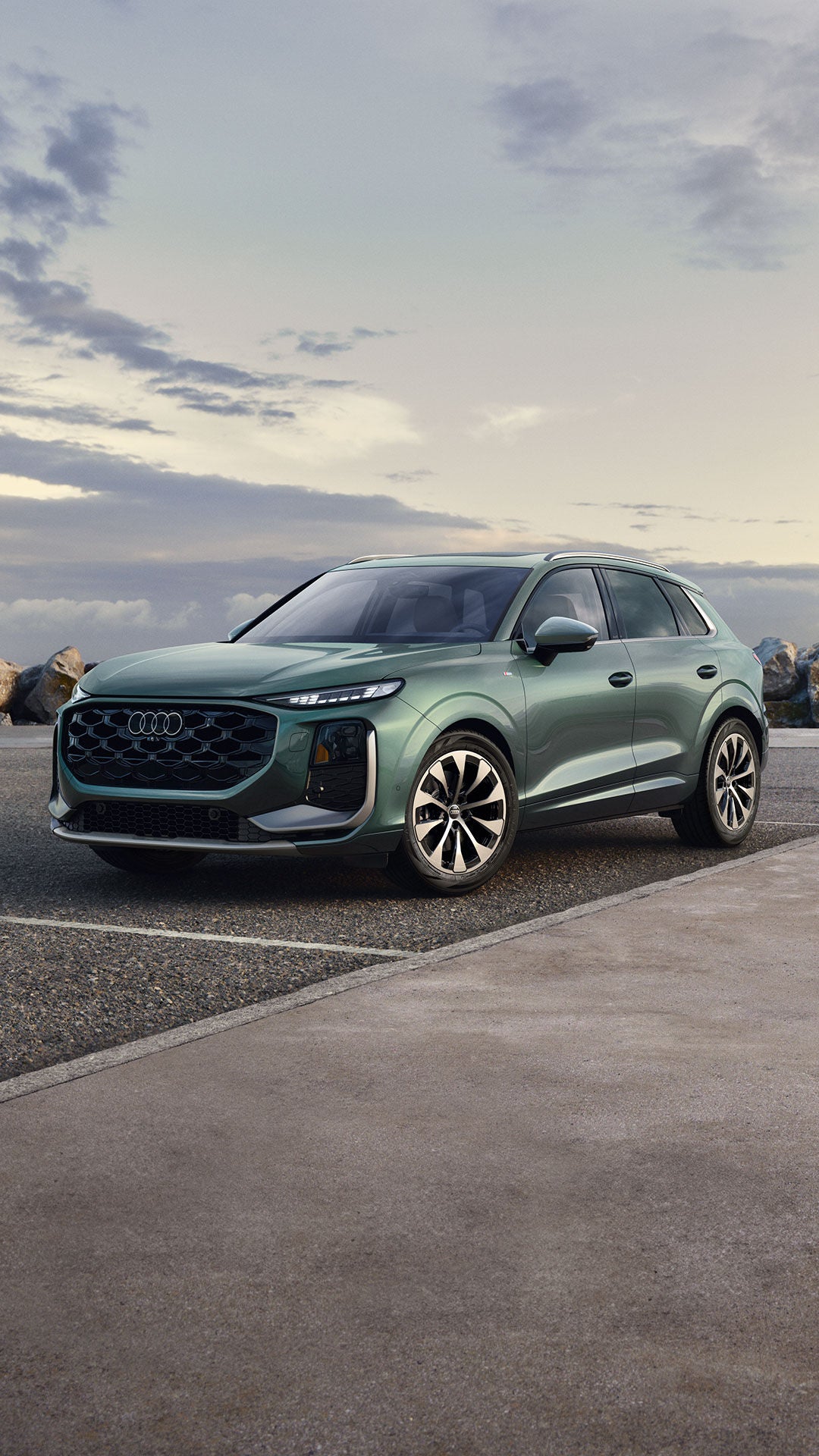
Audi Versus Lexus: A Competitive Comparison
2026 Audi Q3 vs 2026 Lexus NX
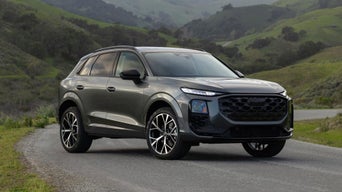
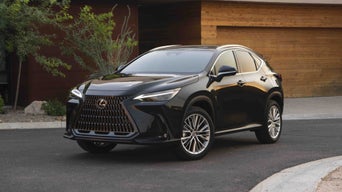
| 2026 Audi Q3 | VS | Lexus NX 350 AWD |
| $43,700 | MSRP* | $45,425 |
| 255 | Horsepower | 275 |
| 5.5 seconds ✓ | 0-60 Time | 6.6 seconds |
| 25 mpg ✓ | Combined Fuel Economy | 24 mpg |
| 29 cubic feet ✓ | Rear Cargo Space | 22.7 cubic feet |
| Standard ✓ | Real-Time Traffic Information | Not Available |
| 11.9 inches / 13 inches✓ | Screen Size (gauge cluster / infotainment) | 7 inches / 10 inches |
| 36 months / 30,000 miles✓ | Included Routine Maintenance | 12 months / 10,000 miles |
| 4 ✓ | Wheel Design Options | 1 |
| Standard ✓ | Leather Upholstery | Requires higher trim |
First up, we have the compact SUVs from each manufacturer. This is an incredibly popular segment, so the stakes are high. The Audi Q3 comes with a slight price advantage over the Lexus NX, and while the horsepower ratings might suggest that the NX makes up for the extra cost with better performance, it’s the Q3 that will go from 0 to 60 quicker, and by quite a bit, as far as 0-60 times go. On top of that, the Q3 gets better fuel economy. This shows the Audi has a more advanced drivetrain, even though the NX has more peak power. And in another win for practicality, the Q3 has noticeably more rear cargo space.
We can find more of a technological advantage for the Q3 when we look at each vehicle’s infotainment system. The All-new Q3 comes with bigger screens that are easier to see and operate, and they also come with a more robust feature list, including real-time traffic information. Audi offers more included routine maintenance with the Q3, with Lexus essentially only covering the first visit. The Q3 gives you a choice of four wheel designs in three different sizes, compared to just one for the NX. This isn’t going to sway many people on its own, but we’re highlighting it to illustrate how Lexus handles trim levels. Lexus models tend to come in a lot of different trims, but with very few options beyond paint and interior colors. So if you want different wheels or leather upholstery, you have to move up a trim and will probably end up paying for options you don’t care about. The Q3 comes in just one trim, and you select what equipment you want it to come with. It’s a more tailored approach to luxury compared to the off-the-rack approach that Lexus takes.
2026 Audi Q5 vs. 2026 Lexus RX
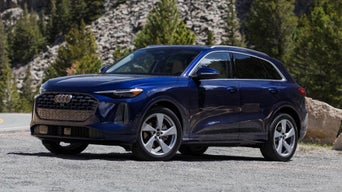
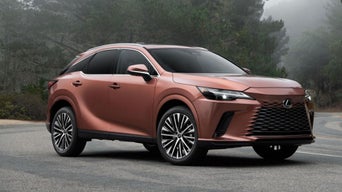
| 2026 Audi Q5 Premium | VS | 2026 Lexus RX 350 AWD |
| $52,800 | MSRP* | $52,125 |
| 268 | Horsepower | 275 |
| 5.5 seconds ✓ | 0-60 Time | 7.2 seconds |
| 25 mpg ✓ | Combined Fuel Economy | 24 mpg |
| 4,400 pounds ✓ | Towing Capacity | 3,500 pounds |
| 56.9 cubic feet ✓ | Max Cargo Volume | 46.2 cubic feet |
| Multi-link ✓ | Front Suspension | Strut |
| Front, rear, and sides ✓ | Parking Sensors | Front and rear only |
| Optional ✓ | Top View Camera | Not Available |
| Standard ✓ | Leather Upholsteryy | Requires higher trim |
Up next are the midsize SUVs from each brand, the Q5 and the RX. The only option we’ve added is the AWD for the RX, since it doesn’t come standard on the RX the way it does on the Q5, but pricing is nearly identical with it added. Once again, the Lexus offers more power, but slower acceleration. It’s a smaller power gap here, but an even larger gap in 0-60 times, more than enough for it to be noticeable when trying to merge with highway traffic. And once again, the quicker Audi also gets better fuel economy. The Q5 also offers a higher towing capacity, and even though the rear cargo space is similar, folding the back row of seats down gives you considerably more space in the Q5. Even handling is superior in the Q5, thanks to the multi-link front suspension setup. The RX instead uses a cost- and space-saving strut setup, even though this isn’t reflected in the price.
We can see some important differences between these two vehicles in the equipment as well. Parking sensors are a great way to avoid dents and dings, and the Q5 offers a more comprehensive set of them. Additionally, if you want a top-view camera to help with this even more, that’s an option in the Q5, but not the RX. Leather upholstery is once again limited to just the higher trims of the RX, but it comes standard with the Q5.
2026 Audi Q7 vs. 2026 Lexus TX
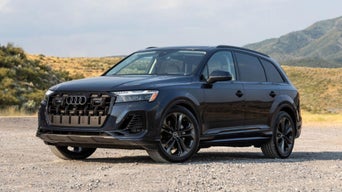
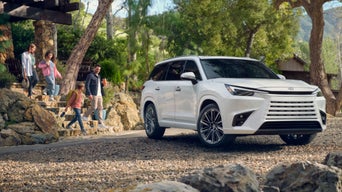
| 2026 Audi Q7 45 Premium | VS | 2026 TX 350 AWD |
| $62,000 | MSRP* | $58,040 |
| 261 | Horsepower | 275 |
| 6.7 seconds ✓ | 0-60 Time | 7.8 seconds |
| 22.5 gallons ✓ | Fuel Tank | 17.8 gallons |
| Multi-link ✓ | Front Suspension | Strut |
| Standard ✓ | Leather Upholsterye | Requires higher trim |
| Standard ✓ | Panoramic Sunroof | Requires higher trim |
| Standard ✓ | Driver Seat Memory | Not available |
| Optional ✓ | Power Soft-Closing Doors | Not Available |
| 36 months / 30,000 miles ✓ | Included Routine Maintenance | 12 months / 10,000 miles |
For our last comparison, we’re looking at three-row SUVs. Once again, the pricing is very close once you add the all-wheel drive to the Lexus, and once again, the slight power advantage still leaves the Lexus more than a second slower to 60 mph. The TX does actually manage to get the same fuel economy as the Q7, but it also comes with a much smaller fuel tank, which means you’ll be stopping at the gas station a lot more frequently in the TX. And while it’s unusual for such a large SUV to use a strut front suspension, the TX still does, giving the Q7 a clear handling advantage.
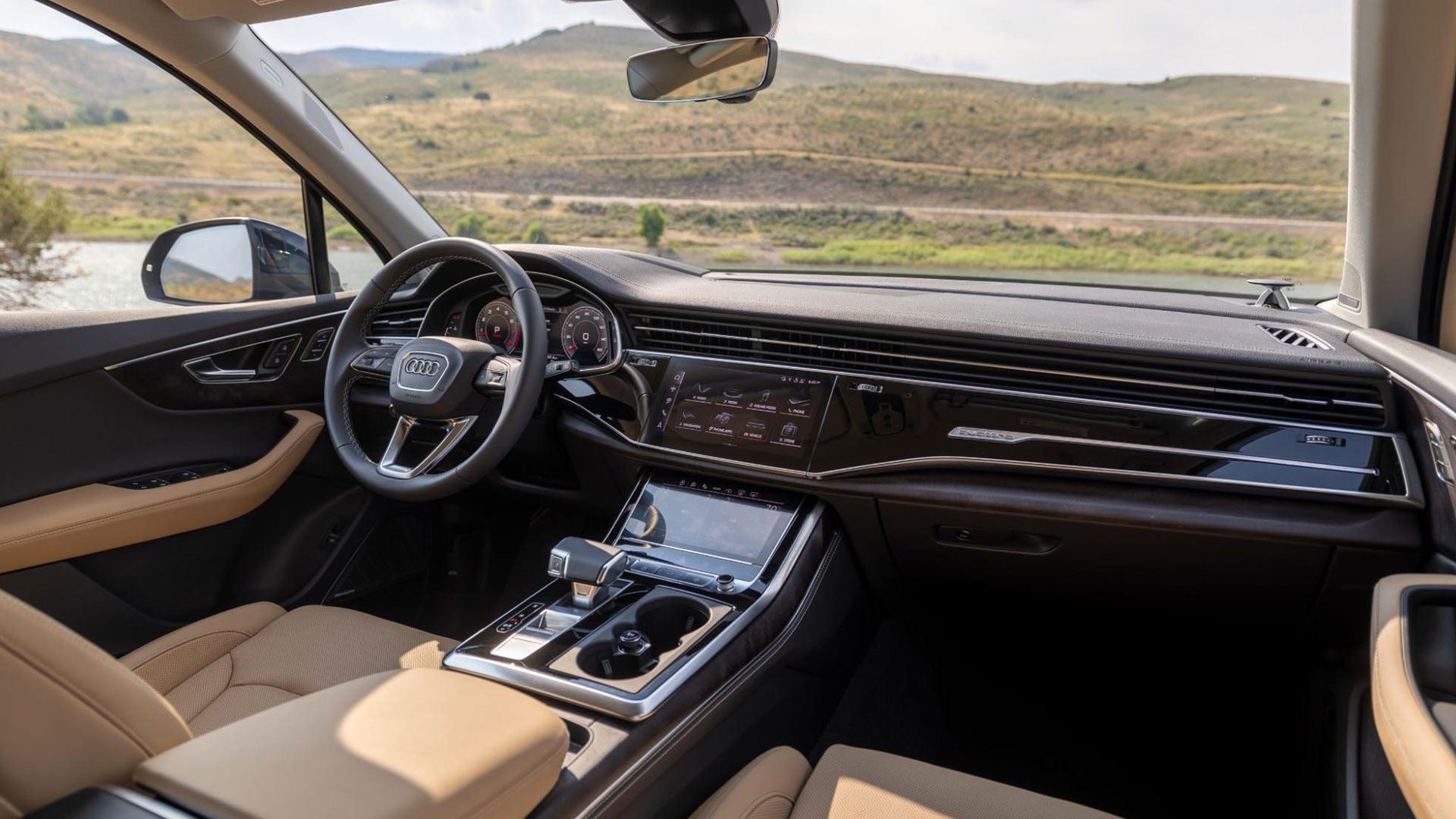
The TX does have a bit of a price advantage, so if leather upholstery and a panoramic sunroof were offered as options, it might come out as pretty even, but as it is, opting for those features requires you to move up to a trim that’s priced high enough to give the advantage to the Q7. Lexus doesn’t include a driver’s seat memory function with this or any of the models we’ve looked at here, but all of the Audi models include it as standard equipment. Audi also offers some à la carte options that aren’t available at all for the TX, like power soft-closing doors. And lastly, Audi once again includes three times the routine maintenance than what you get with the TX.
*Price excludes $1,295 destination, taxes, title, other options and dealer changes. Dealer sets actual price.